What Makes the Best TMS Clinic in San Diego for Someone Who Has Tried Everything for Depression?
You've tried 6 different antidepressants. Years of therapy. You've done everything right, so why do you still feel like this?
The answer isn't that you're broken or "treatment-resistant." You've just been undertreated by a system that offers fragmented care and outdated protocols.
What Should You Look for in the Best TMS Clinic for Treatment-Resistant Depression?
When you're searching for "the best TMS clinic in San Diego for someone who has tried everything," you're not just looking for any TMS provider. You need a clinic that understands your specific situation: you're a high-achiever who can't afford to take 4-6 weeks off your life for traditional treatment.
The best TMS clinic will offer:
- Accelerated protocols that fit your schedule - not everyone can commit to 20-30 daily sessions over 6 weeks
- Physician-led follow-up car* - because the brain doesn't heal on a fixed timeline
- Real outcome data - not just "FDA-approved" but actual success rates with patients like you
- Understanding of treatment resistance - recognizing that you haven't failed treatments; treatments have failed you
Why Traditional TMS Programs Fail High-Achieving Women
Most San Diego TMS clinics follow the same outdated model: 20-30 sessions over 4-6 weeks, then you're on your own. This approach fails for several reasons:
Schedule Disruption: Traditional protocols require daily visits for over a month. For someone managing a career, family, and community commitments, this is impossible without everyone noticing something is wrong.
Lack of Ongoing Support: Your brain doesn't stop needing care after 6 weeks. The best outcomes come from continuous physician oversight, not a "treatment and release" model.
One-Size-Fits-All Approach: Your depression developed over years through complex interactions of genetics, stress, hormones, and life circumstances. Why would a generic protocol work?
What Makes Kind Minds TMS Different for Treatment-Resistant Depression
The world's first one-day TMS protocol changes everything for high-achievers who need treatment that works around their lives, not the other way around.
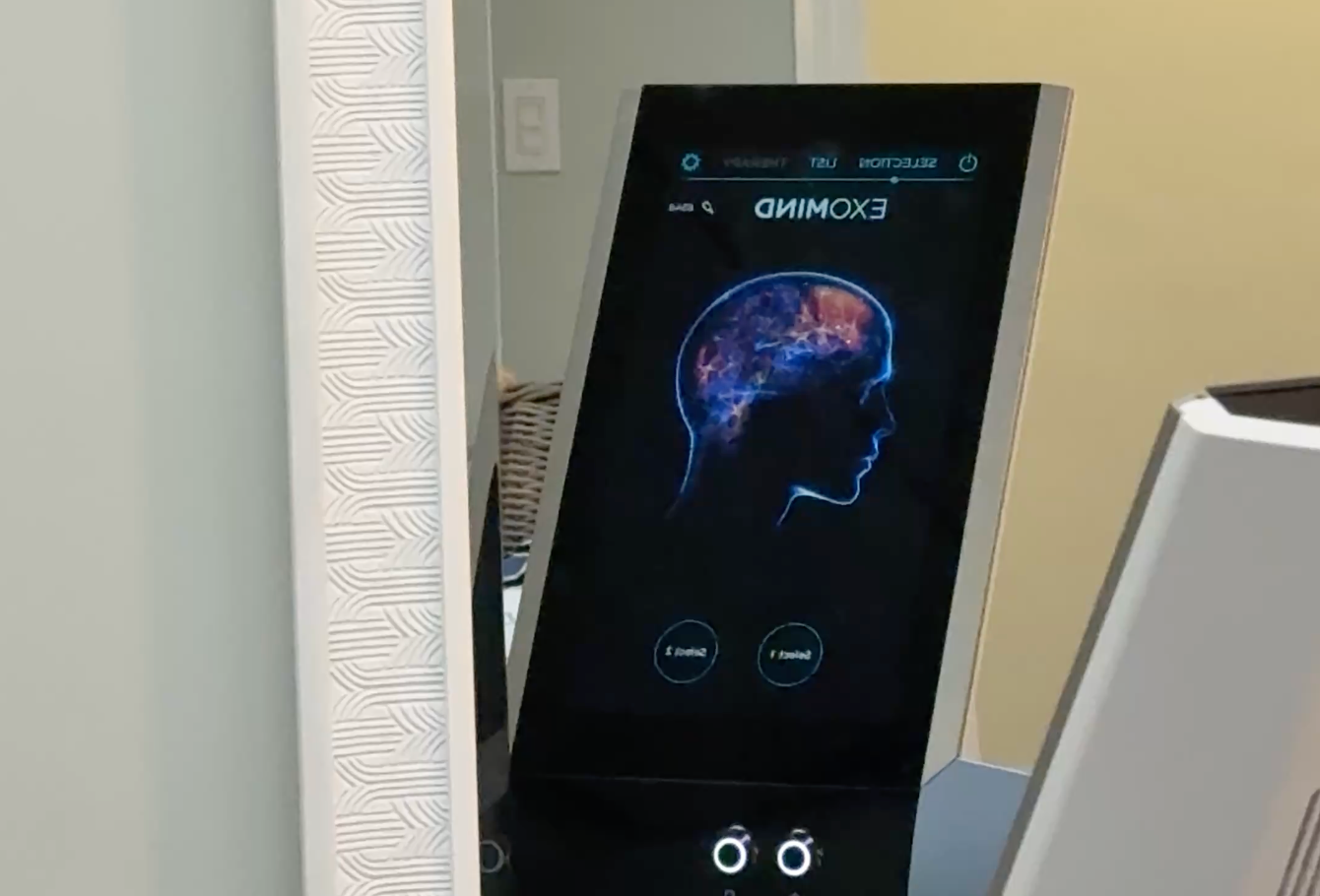
The KIND One-Day TMS™ Protocol delivers a full therapeutic course of TMS in a single day using advanced EXOMIND® technology. This isn't rushed treatment—it's precision medicine that condenses 6 weeks of healing into one intensive, medically supervised day.
88% Response Rate: Real-world data from hundreds of patients shows that accelerated protocols can be more effective than traditional approaches for the right candidates.
Full Year of Physician-Led Care: Treatment doesn't end when your protocol is complete. That's when the real work of maintaining your progress begins. You get unlimited access to Dr. Nanos and the care team as your brain heals and life evolves.
How to Evaluate TMS Clinics in San Diego
Not all TMS providers are created equal. Here's what separates the best from the rest:
Ask About Success Rates with Treatment-Resistant Patients: Don't settle for generic "FDA-approved" claims. You need specific data about outcomes for people who have failed multiple medications.
Understand the Follow-Up Model: What happens after your protocol ends? The brain continues healing for months. Clinics that disappear after treatment deliver incomplete care.
Evaluate the Medical Leadership: Is a physician involved in your care, or are you primarily seeing technicians and support staff?
Consider Protocol Options: Do they only offer traditional daily sessions, or can they accommodate your schedule with accelerated protocols?
The Reality of Treatment-Resistant Depression in San Diego
You're not alone in this struggle. Treatment-resistant depression affects millions of high-achieving women who appear to have everything together on the outside while battling brain fog, emotional numbness, and the exhaustion of trying treatment after treatment.
The medications made you feel like a zombie. Therapy helped with coping skills but couldn't fix your brain chemistry. You've been told you're "treatment-resistant," but that's not true. You've never received the right treatment.
Insurance and Investment Considerations
Most major insurance plans cover TMS for treatment-resistant depression when medical necessity criteria are met. However, the best TMS programs often require some level of self-investment because insurance companies typically only cover basic protocols.
Think about what you've already invested in treatments that didn't work. What's the cost of staying where you are versus investing in something that could restore your brain and reclaim your life?
Questions to Ask During Your TMS Consultation
"What is your success rate specifically with patients who have tried multiple medications?"
"How do you define treatment-resistant depression, and how does your approach differ for these cases?"
"What ongoing support do you provide after the initial treatment protocol?"
"Can you accommodate my schedule, or do I need to arrange my life around your treatment schedule?"
"What happens if I don't respond as expected? Do you have alternative protocols?"
Making Your Decision: Beyond Location and Convenience
The best TMS clinic for you isn't necessarily the closest or most convenient. It's the one that understands your specific needs as someone who has tried everything and needs treatment that actually works.
You need a clinic that recognizes your brain isn't broken—it's under-supported. You need physicians who understand that fragmented care fails complex brains. You need a program designed for people like you: intelligent, accomplished, and deserving of treatment that matches your commitment to excellence in every other area of your life.
Your Next Step
If you're ready to stop cycling through treatments that don't work and start with an approach designed specifically for treatment-resistant depression, the conversation starts with a physician-led clinical evaluation—not a sales call, but real medical guidance about whether our program is right for you.
Your brain deserves the same level of expert care you'd expect for any other serious medical condition. The question isn't whether you can afford to try something different—it's whether you can afford not to.
Frequently Asked Questions
Q: How is accelerated TMS different from traditional TMS?
A: Accelerated TMS delivers the same therapeutic benefit in a condensed timeframe using advanced targeting and protocol optimization. Instead of 20-30 daily sessions over 6 weeks, the KIND One-Day Protocol delivers equivalent treatment in a single day.
Q: Is one-day TMS safe?
A: Yes, when delivered by qualified physicians using appropriate protocols and monitoring. The KIND One-Day Protocol has been delivered to hundreds of patients with rigorous safety oversight and is described in peer-reviewed literature.
Q: Will insurance cover accelerated TMS protocols?
A: Insurance coverage varies by plan and protocol. We help verify benefits and work with patients to understand their options, including payment plans when needed.
Q: What if I've already tried traditional TMS without success?
A: Treatment failure with one TMS protocol doesn't predict failure with others. Different targeting, intensity, and protocols can produce very different outcomes. We evaluate each case individually.
Q: How do I know if I'm a candidate for TMS?
A: The best way is through a comprehensive physician evaluation that looks at your treatment history, current symptoms, and individual circumstances. Not everyone is a candidate, and we'll be direct about whether our program is right for you.
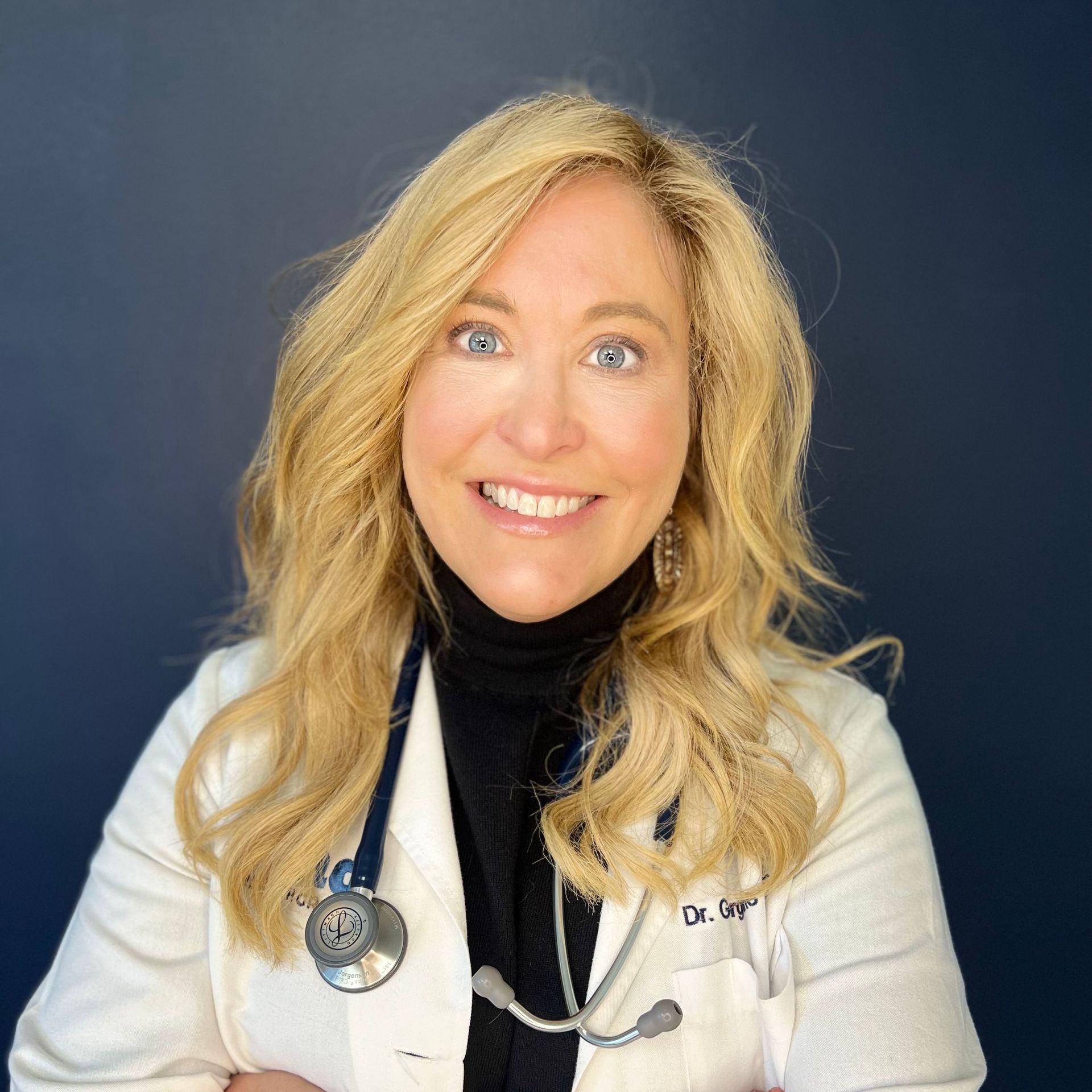
Meet the Author
Dr. Georgine Nanos, MD, MPH
Founder of Kind Health Group