Why a Year of Care Changes Everything
Why We Offer a Year of Care—Not Just a Treatment
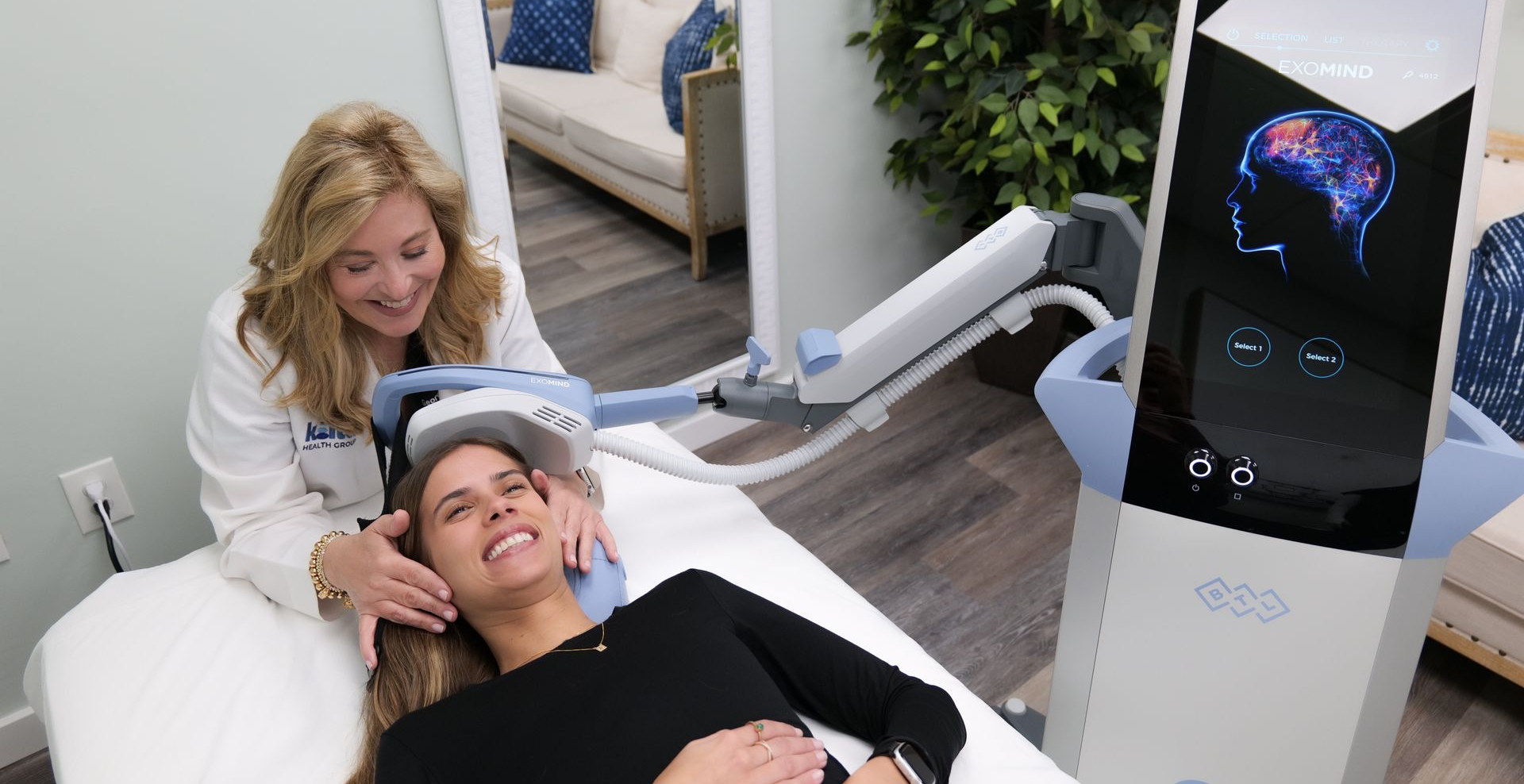
Most TMS clinics sell sessions. We offer a year of brain care.
The difference isn't semantic—it's fundamental to how lasting recovery actually works. Your brain doesn't heal on a fixed timeline. Stress, hormones, sleep disruptions, and life events all affect neuroplasticity. By providing unlimited TMS access for a full year, we can reinforce gains before regression occurs, intervene early rather than react late, and ensure you don't lose access to care the moment you start feeling better. This is preventive neuromodulation, not crisis-only treatment.
---
The Problem with Transactional Treatment
Here's how most TMS clinics work:
You pay for a set number of sessions. You complete them. You leave. And then... you're on your own.
If symptoms start creeping back two months later, you're making a new appointment, going through intake again, paying for another round of treatment. The relationship is transactional—each session is a discrete product you purchase.
I understand why this model exists. It's how medicine has traditionally worked. It's how insurance reimburses. It's simple to understand.
But it's also exactly wrong for how the brain actually heals.
Neuroplasticity—the brain's ability to rewire itself—doesn't operate on a billing schedule. The changes TMS creates need time to consolidate. They need support. They need reinforcement during vulnerable periods.
And most importantly, patients shouldn't have to lose access to care precisely when they're starting to feel better.
---
What a Year of Care Actually Means
When patients enroll at Kind Minds, they're not buying a single treatment. They're entering a 12-month partnership for their brain health.
That includes:
Unlimited TMS Sessions
Not 20. Not 36. Unlimited.
Because we don't know exactly how your brain will respond. Some patients do beautifully with one accelerated course and need nothing more for months. Others benefit from periodic reinforcement. Life happens—stress spikes, sleep suffers, hormones shift—and having access to treatment when you need it makes all the difference.
Unlimited access means we can treat brain health proactively, not just reactively.
Physician-Directed Oversight
This isn't technician-run care. Dr. Nanos personally evaluates every patient and remains involved throughout the year. Your treatment isn't set-and-forget—it's continuously calibrated based on how you're actually doing.
If something isn't working, we adjust. If symptoms start returning, we intervene early. If you're doing great, we celebrate and stay vigilant.
Flexible Protocol Design
Within your year, you may receive any combination of approaches:
- KIND One-Day TMS Protocol (intensive, accelerated)
- Modified accelerated protocols
- Wellness and optimization sessions
- Booster treatments as needed
The right approach often evolves over time. What you need in month one might be different from what you need in month eight. Flexibility allows us to meet your brain where it is.
Ongoing Support Through Life's Ups and Downs
A year is long enough for life to happen. Job changes. Relationship stress. Health issues. Seasonal shifts. Hormonal fluctuations.
When you have continuous access to care, these challenges don't have to derail your progress. We can provide support exactly when you need it, before a minor setback becomes a major relapse.
Why This Matters Even for Accelerated Protocols
Patients often ask: "If I'm doing the KIND One-Day Protocol, why do I need a whole year?"
It's a fair question. After all, the treatment itself is completed in a single day.
But here's the thing: the day of treatment isn't where the value ends—it's where it begins.
Think of it this way. If you had a major surgery, you wouldn't be discharged and told "good luck, call if something goes wrong." You'd have follow-up appointments. Monitoring. Access to your surgical team as you heal.
Brain care should work the same way.
After your intensive treatment day, your neural circuits are primed for change. They've been activated, stimulated, pushed toward new patterns. But those patterns need time to consolidate. They need support to become permanent.
The year allows us to:
- Support and stabilize neuroplastic changes
- Reinforce gains before regression occurs
- Adjust care as life circumstances change
- Optimize cognition, mood, and performance over time
- Ensure you don't lose access once you finally feel better
The follow-up, access, and ongoing care are what make outcomes durable.
The Science of Relapse Prevention
Here's an uncomfortable truth: depression tends to recur.
Studies show that after a first depressive episode, there's about a 50% chance of having another. After two episodes, that jumps to 70%. After three, it's 90%.
This isn't meant to discourage you. It's meant to explain why maintenance matters.
TMS doesn't just suppress symptoms—it actually changes brain circuits. The improvements are more durable than medication for many patients. But "more durable" doesn't mean "permanent and unchangeable."
Life stress can push those circuits back toward old patterns. Major life events, hormonal changes, physical illness, sleep disruption—all of these can trigger symptom recurrence.
The key insight is that early intervention prevents full relapse.
If symptoms start creeping back and you catch them early—with a few booster sessions—you can often restore equilibrium quickly. But if you wait until you're fully depressed again, you're essentially starting over.
This is why continuous access matters. Not because you'll necessarily need constant treatment, but because when you do need support, you can get it immediately.
What Relapse Prevention Actually Looks Like
Let me paint a picture of how this works in practice.
Sarah completed her initial KIND One-Day Protocol in March. By April, she felt like a different person—sleeping better, engaging with her family, back to exercising. Life felt manageable for the first time in years.
In September, her mother was diagnosed with cancer. Sarah flew across the country multiple times, juggled caregiving with work, and wasn't sleeping well. By October, she noticed familiar warning signs: the morning dread returning, motivation slipping, irritability increasing.
Because she was in our Year One program, she reached out immediately. We scheduled a brief booster series—three sessions over a week. Within days, she felt stable again.
Now imagine a different scenario: Sarah had completed treatment at a per-session clinic. When symptoms returned in October, she'd have to call for a new consultation, go through intake again, wait for scheduling, pay for a new treatment course. By the time treatment actually started, she might be fully depressed again.
The first scenario is preventive care. The second is crisis management. One keeps you well. The other rescues you after you've fallen.
Beyond Treatment: Optimization
Here's something most TMS clinics don't talk about: TMS isn't just for fixing what's broken. It's also for optimizing what's working.
Once your baseline depression or anxiety is treated, TMS can support:
- Cognitive clarity and focus
- Stress resilience during demanding periods
- Performance under pressure
- Sleep regulation
- Emotional stability during hormonal transitions
With unlimited access for a year, patients can use TMS not just to recover from illness, but to perform at their best. A few sessions before a high-stakes work project. Support during seasonal changes that historically trigger symptoms. Reinforcement during a challenging life transition.
This isn't something you can access in a transactional model. But with a year of care, optimization becomes part of the conversation.
What Happens After Year One
After completing the first year, patients can transition to our ongoing Brain Optimization Membership.
This is a monthly membership that includes:
- Unlimited TMS sessions
- Continued access to ExoMind technology
- Ongoing optimization and recalibration
- Preventive support during future stress or transitions
There's no need to "start over." No new evaluations required. No session caps. Just continued access to the care that works.
This exists because brains don't stop needing support after an arbitrary endpoint. Some patients stay in maintenance for years. Others step back and only return when needed. The structure allows both.
Why We Don't Offer "Lite" Versions
You might wonder: why not offer different tiers? A cheaper option for people who don't need as much?
We've thought about this carefully, and here's our reasoning:
We don't want someone with severe depression choosing a "lighter" option to save money. We don't want patients self-selecting based on price rather than clinical need. We don't want to create a system where some people get "real" care and others get a diluted version.
Brain health is too important for tiered service.
Our philosophy is simple: everyone gets our best care, customized to their individual needs. The customization happens within the program—not by offering lesser versions of it.
This is the same approach we use in concierge primary care. One comprehensive model. One standard of excellence. Personalized within that framework.
The Investment
Kind Minds offers one comprehensive program: Year One: $12,000 for 12 months
This includes:
- Physician-directed evaluation and ongoing oversight
- Fully customized TMS protocols based on your brain's needs
- Access to ExoMind neuromodulation technology
- Unlimited TMS sessions throughout the first year
- KIND One-Day, modified accelerated, or wellness protocols as appropriate
- Cognitive assessment and brain optimization tools
- Ongoing follow-up, recalibration, and support
Year Two and Beyond: $500/month
Recurring membership with unlimited TMS access, no session caps, and no re-enrollment requirements.
We don't offer per-session pricing. We don't offer packages of 10 or 20 treatments. We don't believe in fragmenting brain care into transactions.
The Honest Reality
I'll be direct: our model isn't for everyone.
- If you're looking for a few TMS sessions to "try it out" without commitment, we're not the right fit.
- If you want the cheapest possible option regardless of quality, we're not the right fit.
- If you think of medical care as a product to purchase rather than a relationship to invest in, we're not the right fit.
- But if you're ready to prioritize your brain health—to give it the same quality of care you'd want for any other organ—we're here.
- If you want a physician who will actually know you, track your progress, and adjust your care over time, we're here.
- If you understand that real recovery takes time, support, and access to care when you need it, we're here.
The Bottom Line
A year of care changes everything because it aligns treatment with how the brain actually heals.
Not on a schedule. Not in a set number of sessions. Not within an arbitrary timeframe.
Brains heal when they're supported consistently. When they have access to reinforcement during vulnerable periods. When someone is watching, tracking, and adjusting care as needed.
That's what a year of care provides. Not just treatment, but partnership. Not just sessions, but stewardship. Not just hope, but durability.
Ready to Explore a Different Approach?
If the transactional model of TMS hasn't appealed to you—or if you've done treatment elsewhere and struggled with maintaining results—we'd welcome a conversation about how our approach is different.
Our consultation is designed to determine whether our model is right for your situation. No pressure. Just honest information.
Medical Disclaimer: This content is for informational purposes only and does not constitute medical advice. Individual results vary. Always consult with a qualified healthcare provider before starting any treatment.
About the Author
Dr. Georgine Nanos, MD, MPH, is a board-certified physician and founder of Kind Minds in Encinitas, California. She designed the Year One program specifically to address the durability gaps she observed in traditional TMS care models. Her published research on the KIND One-Day TMS Protocol demonstrates how intensive treatment combined with long-term access produces exceptional outcomes.
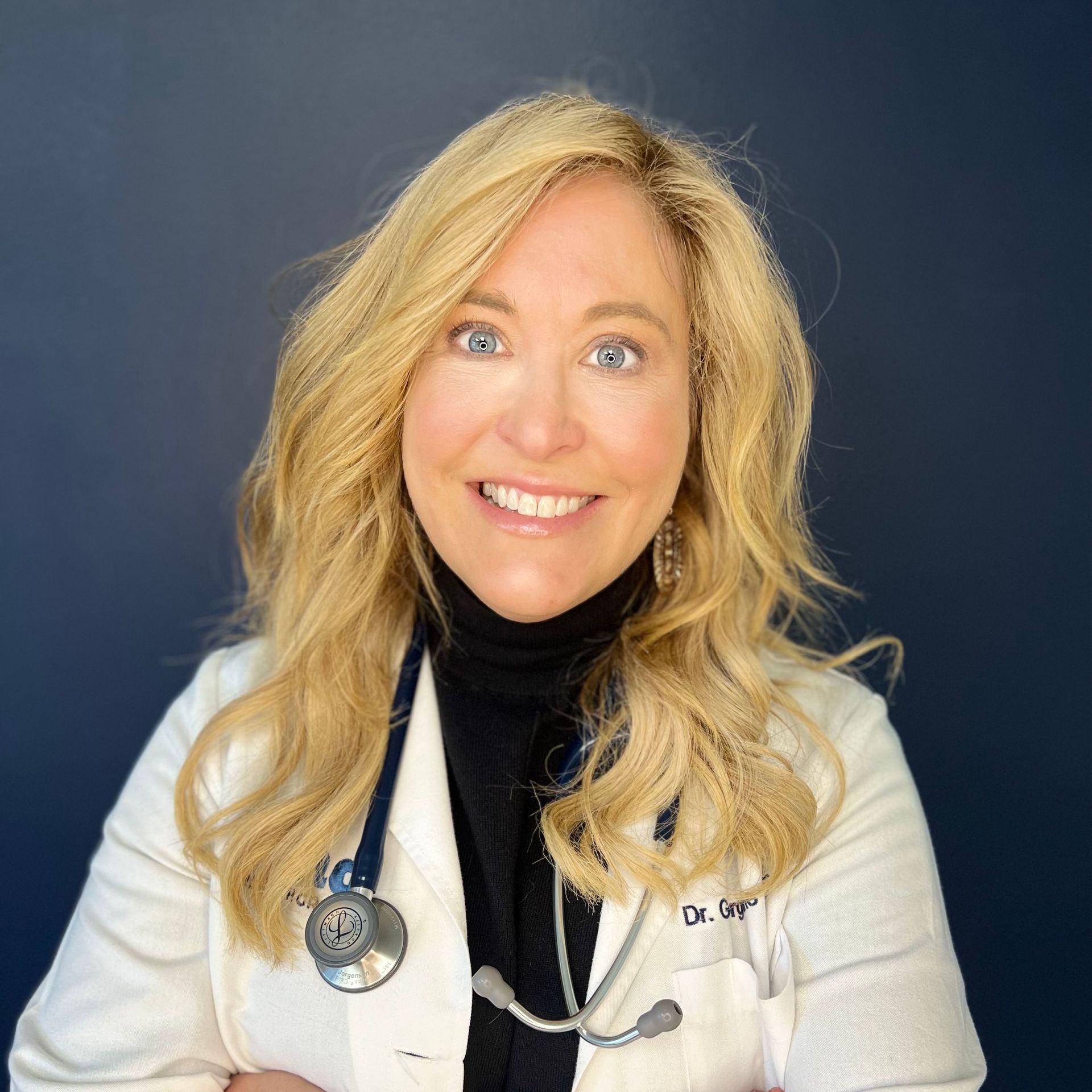
Meet the Author
Dr. Georgine Nanos, MD, MPH
Founder of Kind Health Group