TMS for Anxiety: Can it Help?
Learn how TMS targets the root neuroscience of anxiety—without side effects.
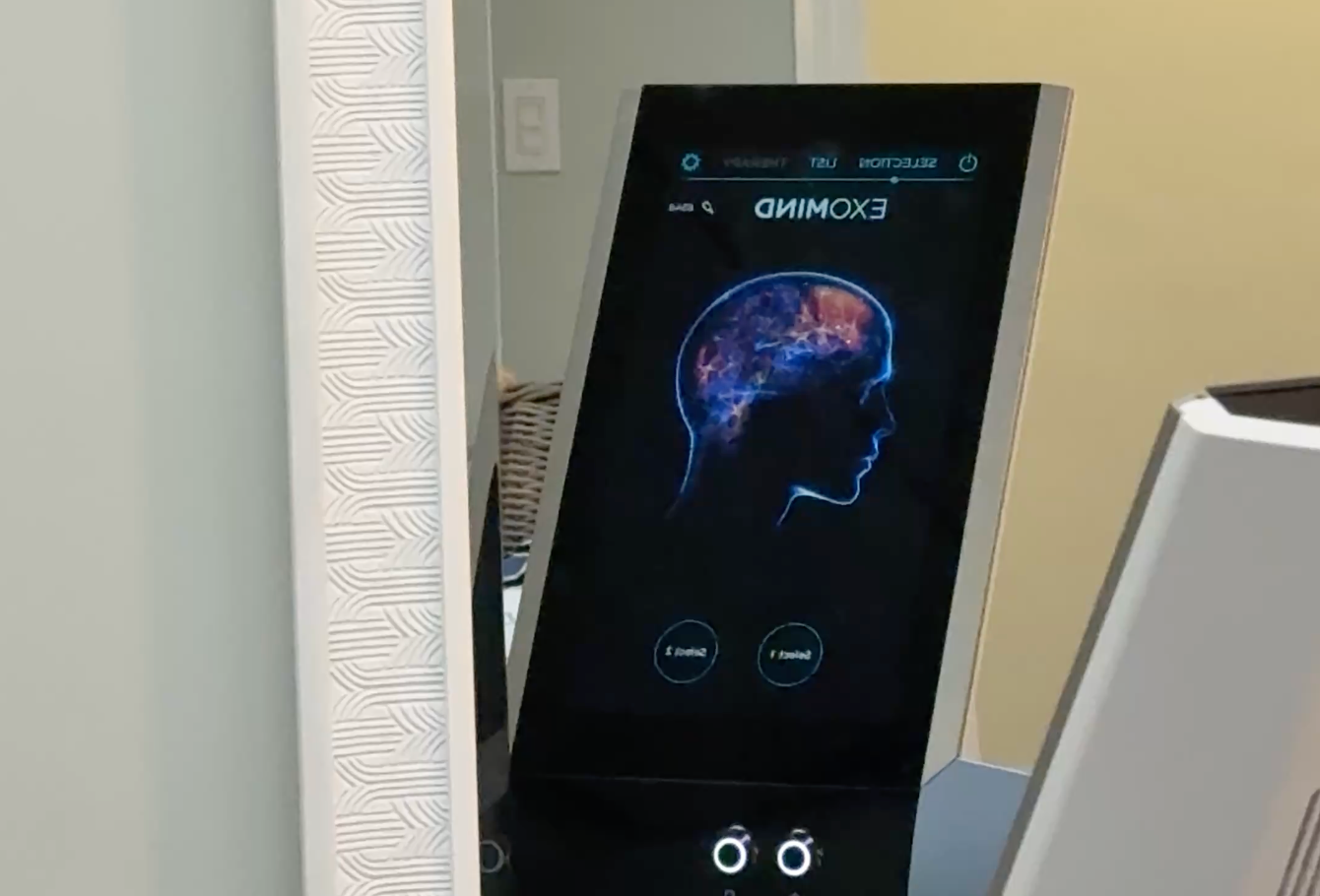
Here's what nobody tells you about anxiety treatment.
The medications we've been prescribing for decades don't fix the anxious brain. They sedate it. They dampen it. They suppress the alarm—without ever asking why it's going off.
I've been in family medicine for over twenty years. I've watched brilliant, capable women reduce themselves to a fraction of their actual lives because the only tools we offered them were pills that made them feel foggy, flat, or dependent. They'd come in and say: "I'm not as anxious, I guess. But I'm also not really *here* anymore."
That is not treatment. That is a trade-off we should not be accepting.
TMS offers something radically different. Not sedation. Not suppression. Recalibration.
Let me explain exactly how—and whether it might be right for you.
---
What's Actually Happening in the Anxious Brain
Anxiety isn't weakness. It isn't a character flaw or an overreaction to stress. It is a neurological pattern.
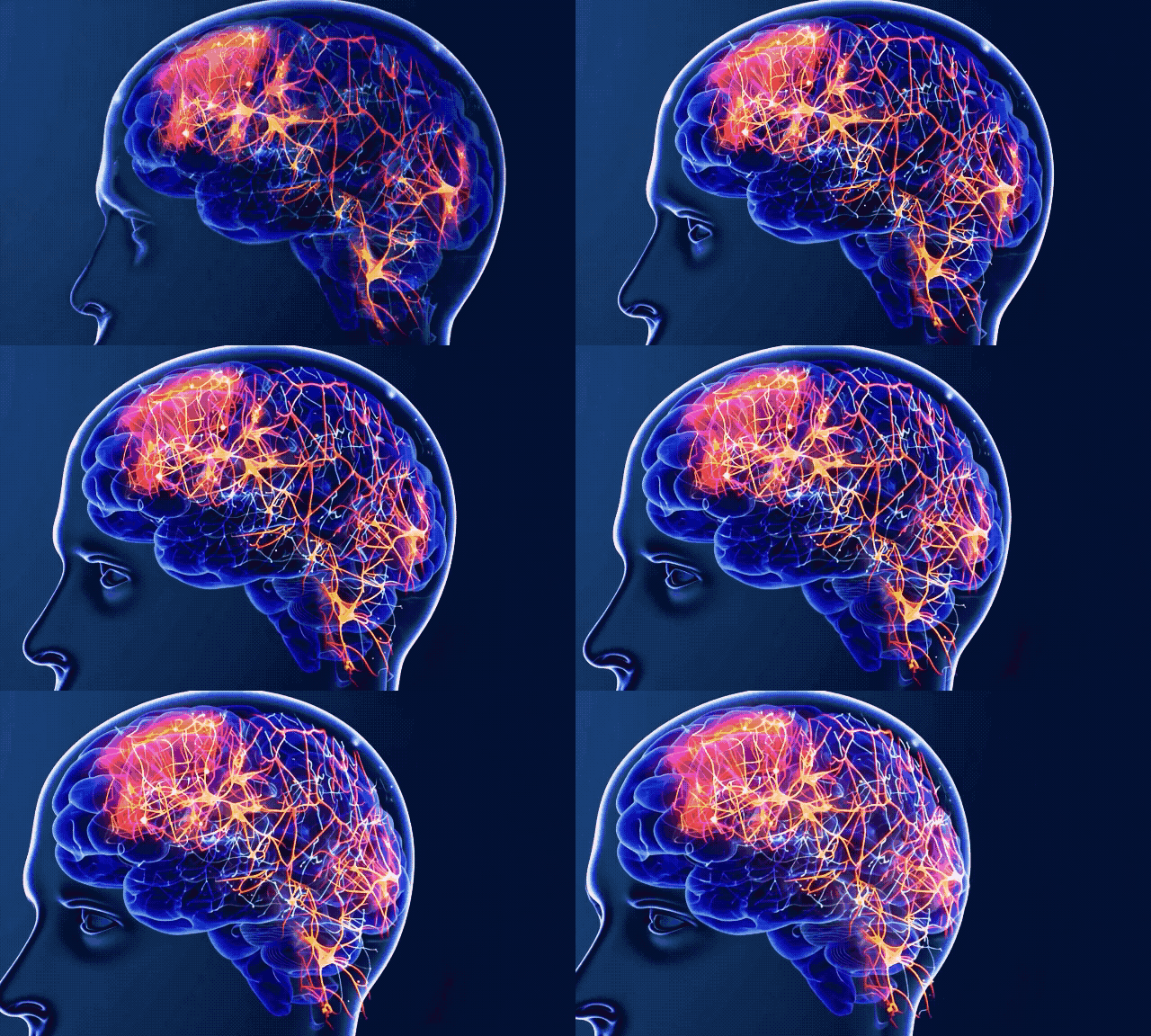
The brain's alarm system—centered in the amygdala—is stuck on high alert. The dorsolateral prefrontal cortex (DLPFC), which is supposed to regulate that alarm and put threats in context, has gone quiet. The result? Your nervous system fires as if there's a threat even when you're sitting at your desk, dropping your kids at school, or trying to fall asleep at night.
That constant hum of nervous energy is physiological. It's circuits misfiring. And the research is clear: that pattern can change.
A 2021 analysis published in *Brain Stimulation* found significant reductions in anxiety symptoms following TMS across multiple randomized controlled trials. The mechanism makes sense—when we stimulate the DLPFC, we're essentially strengthening the brain's own capacity to regulate fear, calm the amygdala, and break out of the hyperarousal loop that characterizes generalized anxiety disorder, social anxiety, and panic.
This isn't sedation. This is your brain relearning how to feel safe.
---
Why Medications Fall Short—And Where They Hurt
I want to be honest with you about this, because most patients don't hear it from their doctors.
SSRIs and SNRIs—the most commonly prescribed anxiety medications—are often helpful. I prescribe them. They have an important role. But for a significant portion of patients, they come with costs that nobody adequately warned them about:
- **Emotional blunting.** Not just anxiety goes quiet—joy goes quiet too. Connection goes quiet. Creative drive goes quiet. Patients describe it as "watching life through glass."
- **Sexual side effects** that affect relationships and self-image.
- **Weight gain** that compounds already-struggling self-esteem.
- **Dependency and withdrawal**, particularly with benzodiazepines like Xanax or Ativan—medications that work quickly but at serious long-term cost.
- And perhaps most frustrating: **they don't work for everyone.** Roughly 40% of patients with anxiety disorders don't achieve adequate relief from first-line medications.
I've sat with too many patients who've tried five, six, seven medications. Who've spent years in therapy—and done the work—but still can't quiet the noise. Who are exhausted by the cycle of trying things, adjusting doses, managing side effects, and still not feeling like themselves.
Those patients deserve a different conversation.
---
How TMS Targets Anxiety
At Kind Minds, we use intermittent theta burst stimulation (iTBS)—a precision form of TMS that mimics the brain's own natural neural rhythms. Each session delivers 600 magnetic pulses over just three minutes, targeting the DLPFC at 120% of the patient's individual motor threshold.
The left DLPFC is our primary target for depression. For anxiety—particularly generalized anxiety disorder, anxious depression, and PTSD—we also consider right DLPFC stimulation, which has shown efficacy in calming the hyperactive circuits associated with excessive worry and fear response.
What this does, on a neurological level, is remarkable. TMS increases brain-derived neurotrophic factor (BDNF)—essentially fertilizer for your neurons. It strengthens underactive regulatory circuits. It quiets the amygdala by giving the prefrontal cortex the fuel it needs to do its job: providing context, perspective, and calm.
Patients don't just report fewer panic attacks. They report a different *baseline*. A quieter nervous system. Less catastrophizing. More space between a stressor and their reaction to it.
One of my patients—a woman in her late thirties who'd been on benzodiazepines for nearly a decade—described it this way after completing our KIND One-Day TMS Protocol:
*"It's like the emergency siren in my brain finally turned off. Not because something covered it up. Because it actually stopped."*
That's the difference between sedation and recalibration.
---
What the Research Shows
TMS was originally FDA-approved for treatment-resistant depression in 2008. Since then, the evidence base for anxiety has been building steadily.
Key findings:
- A meta-analysis in the *Journal of Psychiatric Research* found that rTMS significantly reduced GAD-7 scores in patients with generalized anxiety disorder.
- Multiple studies have demonstrated that TMS produces durable improvements in anxiety—not just symptom suppression, but lasting changes in neural circuit function.
- In our own published case series at Kind Health Group, patients receiving the ONE-D Protocol showed an average **59.9% reduction in GAD-7 scores**—measuring anxiety—in addition to significant depression improvement.
That number matters. A 60% reduction in anxiety symptoms, without medications, in a single day of treatment, with results that last.
Anxiety also has FDA clearance through what's called "anxious depression"—TMS is approved for major depressive disorder, and the majority of depression patients also carry significant anxiety. The mechanism works for both, often simultaneously.
---
The KIND One-Day Protocol: What It Means for Anxiety Treatment
Traditional TMS requires coming to a clinic five days a week for six to eight weeks. For many patients—especially high-achieving women managing careers, families, and everything in between—that schedule is simply not possible. The treatment becomes inaccessible precisely because life has become unmanageable.
Our KIND One-Day Protocol changes that equation.
We compress 20 iTBS sessions into a single day, spaced one hour apart, allowing for proper neuroplastic consolidation between sessions. Patients arrive in the morning and leave that evening having completed a full therapeutic course.
What happens next unfolds over days and weeks. Most patients notice the first shifts between Day 2 and Day 5—decreased emotional reactivity, better sleep, less rumination. The changes deepen over four to six weeks.
And the results? In our published data, our outcomes match or exceed those of traditional protocols. 88% response rate. 72% remission rate. Among the strongest real-world TMS outcomes ever published.
I don't say that to boast. I say it because I want you to know that faster doesn't mean lesser. Sometimes, it means better—because we're treating people before their condition becomes further entrenched, and before they've spent another year managing a schedule that adds stress to an already-overwhelmed system.
---
Is TMS Right for Your Anxiety?
TMS is not appropriate for everyone. Here's an honest breakdown of who tends to benefit most:
Strong candidates include:
- Patients with GAD, social anxiety, or panic disorder who haven't achieved adequate relief from medications
- Patients with anxious depression (anxiety and depression co-occurring)
- Patients who want to reduce or eliminate medication dependence, particularly benzodiazepines
- Patients with PTSD who experience hyperarousal, hypervigilance, and sleep disruption
- Patients who have tried therapy but find their anxiety prevents them from fully engaging with the work
TMS requires a thorough evaluation if you have:
- Metal implants near the head or neck
- History of seizures (though this is not an absolute contraindication—it requires careful assessment)
- Certain cardiac devices
This conversation starts with a comprehensive evaluation. At Kind Minds, we don't treat anxiety in isolation. We look at the whole person—thyroid function, hormonal balance, sleep quality, inflammatory markers, nutritional status. Because the brain lives in a body, and sometimes what looks like an anxiety disorder is actually a treatable physiological issue that nobody has looked for yet.
That's what twenty years in primary care has taught me. The brain is part of the body. When we treat the whole person, we find solutions the siloed system keeps missing.
---
The Question Worth Asking
If you've been managing anxiety for years—with medications that help but haven't healed, with therapy that has given you insight but not relief, with a nervous system that never quite settles—I want to ask you something.
What if the problem isn't that you haven't tried hard enough?
What if the tools you've been given simply haven't been able to address the root cause?
The research on TMS for anxiety is not fringe science. It is peer-reviewed, published, and replicable. The mechanism is understood. The safety profile is excellent. The results, for the right patient, can be transformative.
You don't have to keep trading one problem for another. You don't have to choose between anxiety and emotional flatness.
There is a path that addresses the actual neuroscience of what's happening in your brain—and leaves you feeling more like yourself, not less.
---
Ready to Find Out If TMS Is Right for You?
At Kind Minds, we offer a complimentary consultation to evaluate whether TMS may help your specific situation. We'll review your history, discuss your goals, and give you honest answers—not just an appointment.
Schedule Your Complimentary Consultation →
---
*Disclaimer: This content is for informational purposes only and does not constitute medical advice. TMS may not be appropriate for everyone. Please consult with a qualified healthcare provider to determine the right treatment approach for your individual situation.*
---
About Kind Minds
Kind Minds, founded by Dr. Georgine Nanos, MD, MPH, is a physician-led TMS practice in Encinitas, California. Dr. Nanos is a board-certified family physician with over 20 years of clinical experience and the author of published research on accelerated TMS protocols. Kind Minds specializes in treating patients with depression, anxiety, PTSD, and related conditions through the KIND One-Day TMS Protocol—the most comprehensive one-day TMS experience in the world.
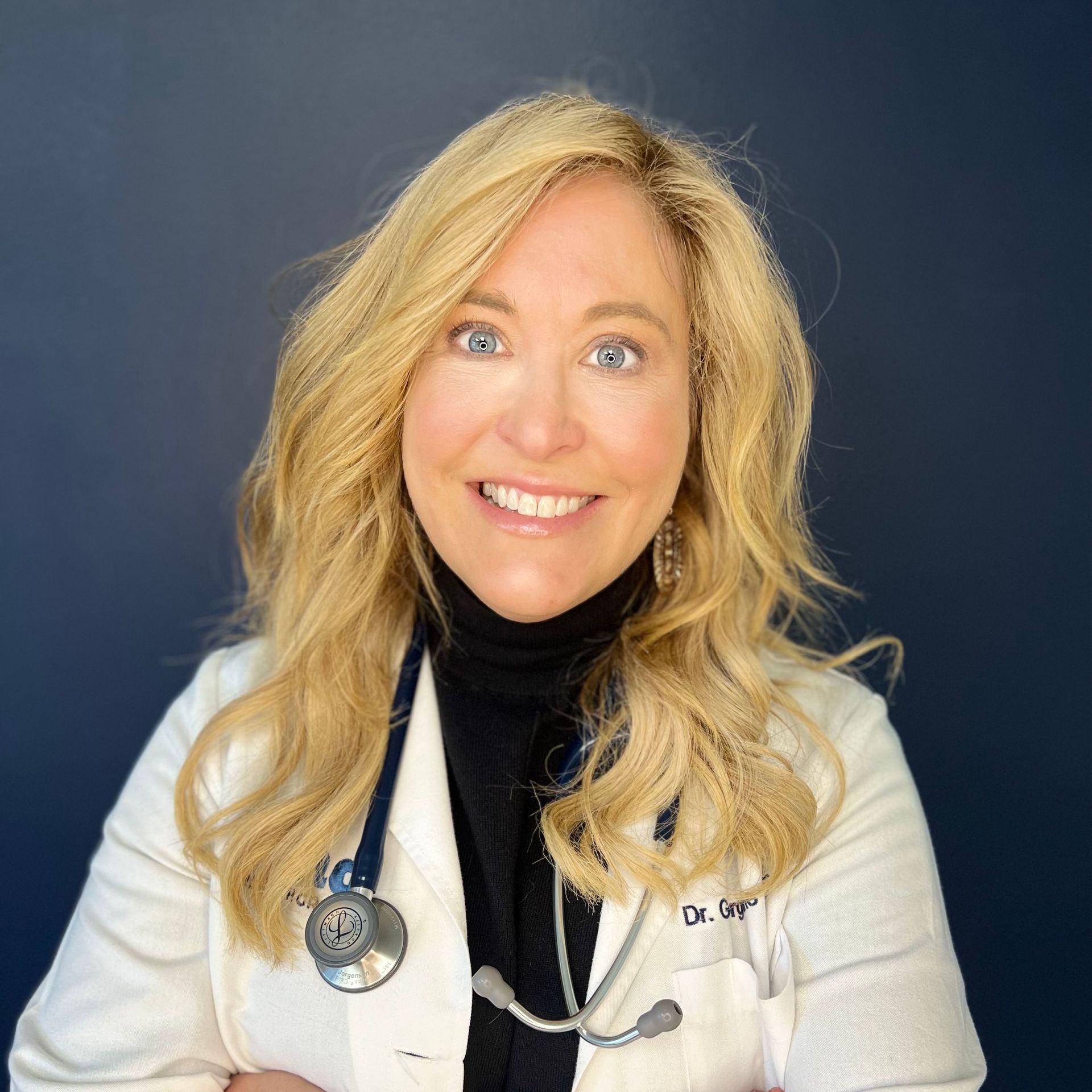
Meet the Author
Dr. Georgine Nanos, MD, MPH
Founder of Kind Health Group