Is TMS Safe? The Side Effects Nobody Explains Properly
Dr. Georgine Nanos, MD, MPH. Founder, Kind Minds TMS. Physician-led brain health, Encinitas, CA.
"Is it safe?"
Safe compared to what, though. That's not me being difficult, it's the actual question underneath, because nobody asks whether their sixth antidepressant is safe. They've stopped asking. They took the weight gain and the flat affect and the thing where they can't cry at their own father's funeral, and somewhere along the way that got filed under normal.
So let's do this properly. Here is what TMS actually does to you, what it doesn't, and who should not have it.
What It Feels Like
A tapping on your scalp. That's genuinely it.
You're awake. You're sitting in a chair, your eyes are open, you can talk, you can listen to something. There is no anesthesia, no sedation, no IV, no recovery room, and nobody is putting you under. You are yourself the entire time, which is the part people find strangest, because they've come in braced for something that feels like a procedure and instead it feels like sitting still with a woodpecker being polite about it.
When it's over you drive yourself home. Most people go straight back to normal activity, and a lot of them schedule it specifically so their team never finds out. If you want the hour-by-hour version, here is what a full day actually looks like.
The Side Effects That Are Real
Scalp discomfort where the coil sits. Headache, usually in the first sessions, usually fading as you go. Some people find the tapping sound loud, which is what the earplugs are for.
That's the common list. It's short and it's boring and I say that with some satisfaction, because compare it to the list you already accepted from a medication: weight gain, sexual side effects, cognitive dulling, emotional blunting, sedation, and the fun of tapering off it later.
TMS doesn't do those things. It isn't systemic. It isn't going through your bloodstream to every organ you own, it's targeting a region, and the side effect profile reflects that. If the flatness is the part you recognise, emotional blunting deserves its own conversation.
The Risk That Is Rare and Serious
Seizure. It's the one that matters, it's the reason screening exists, and any clinic that skips past it quickly is telling you something about that clinic. The risk is very low, under 0.1%, which is comparable to or lower than a number of antidepressants, and it is still the thing we screen hardest for.
The screening is the safety mechanism. Personal or family seizure history, certain medications that lower seizure threshold, heavy alcohol use, significant sleep deprivation, and any ferromagnetic metal or implanted device in or near your head. That last one is not negotiable and it is exactly why this starts with a physician and not a form.
If a place offers to book you a session before a physician has taken a history, walk out. I mean that plainly.
What I Would Actually Ask Them
Advocate for yourself in this consult. Ask who does the screening and whether they're a physician. Ask what the contraindication list is and watch whether they know it cold. Ask what happens if you have a bad session. Ask who is reachable at 8pm. And ask what happens at month nine, because most places have no answer to that one.
Good answers exist for all of those. If you get vague ones, that's your answer.
What You Can Do Right Now
Every patient at Kind Minds starts with a physician-led brain health consultation that includes exactly this screening, before anything is scheduled. It's a medical evaluation, not a sales call, and part of what you're paying for is somebody qualified telling you no if the answer is no. Some people are not candidates. That is a real outcome of a real evaluation and it is not a failure.
Here's what I'd leave you with. You have spent years weighing side effects you were told to accept, against a life you kept deciding to tolerate. You're allowed to put a treatment on the scale that doesn't ask you to trade away your own personality to feel better.
Frequently Asked Questions
Is TMS safe?
For appropriately screened patients TMS is a non-invasive, non-systemic treatment with a short common side effect list. It is FDA-cleared for major depressive disorder. The screening is the safety step, which is why a physician-led evaluation comes first.
Does TMS hurt?
Most people describe a tapping sensation at the scalp. Some have mild scalp discomfort or a headache early on, which typically fades as treatment continues.
What are the most common TMS side effects?
Scalp discomfort at the treatment site and headache, most often in the first sessions. These are usually mild and usually temporary. TMS does not cause weight gain, sexual side effects, emotional numbing, sedation, or withdrawal.
What is the serious risk?
Seizure is the rare but serious risk, at under 0.1%, and it is the reason for screening. Risk factors include personal or family seizure history, medications that lower seizure threshold, heavy alcohol use, and significant sleep deprivation.
Who cannot have TMS?
People with ferromagnetic metal or implanted devices in or near the head, and others identified through screening. This is determined at a physician-led consultation, never by a questionnaire alone.
Does TMS affect memory?
TMS does not involve anesthesia or induced seizure and does not carry the memory effects associated with ECT. People are awake and alert throughout.
Kind Minds TMS provides physician-led, longitudinal brain care in Encinitas, CA. To learn whether TMS is appropriate for you, book a Comprehensive Brain Health Consultation, a medical evaluation, not a sales call.
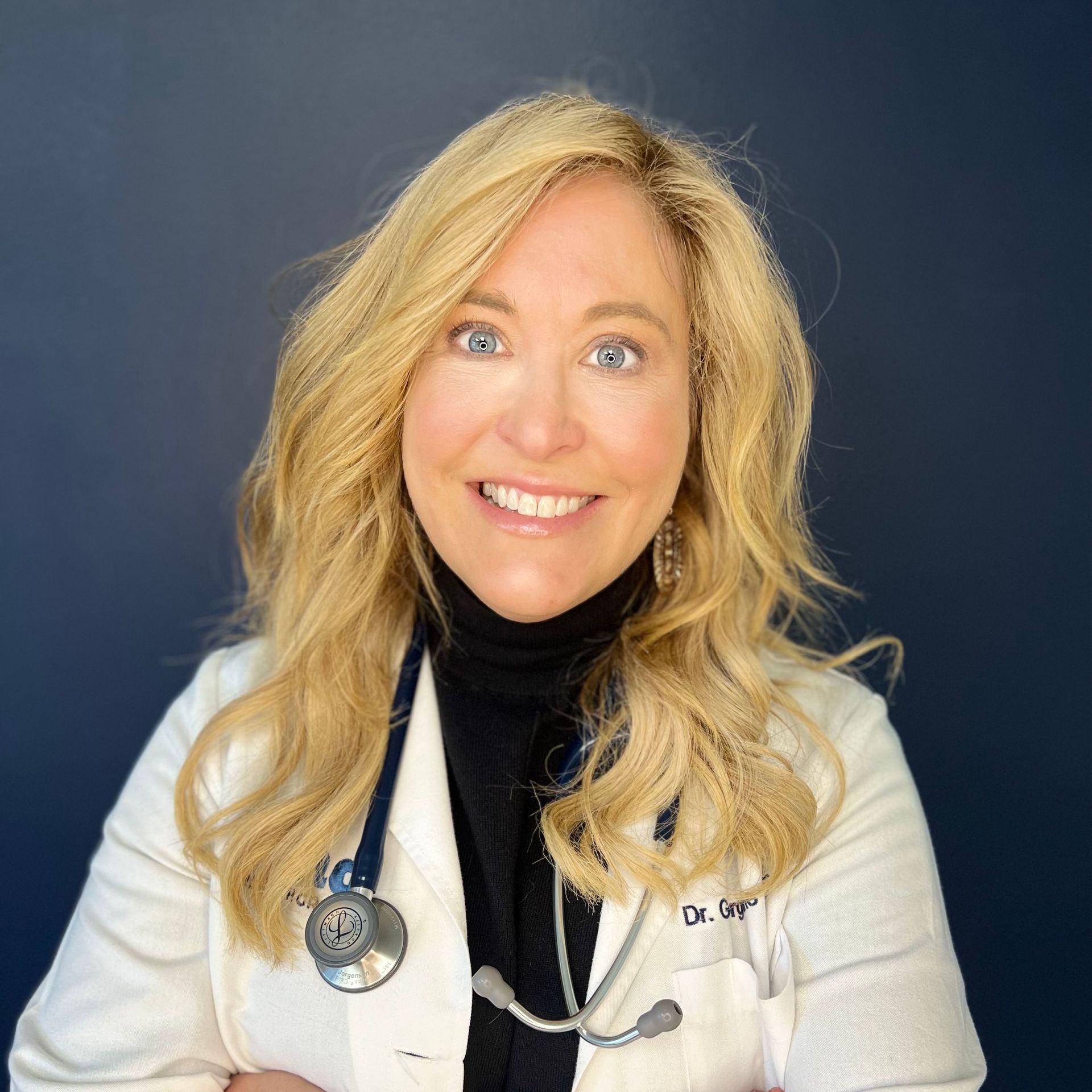
Meet the Author
Dr. Georgine Nanos, MD, MPH
Founder of Kind Health Group