Why the Holidays Break Your Brain (And What Actually Helps)
Your holiday stress isn't weakness.

Let's be clear about something: Your holiday stress isn't weakness. It's neuroscience.
Last week, I watched a brilliant executive—someone who runs a $50M division—break down in my office. "I can't handle Christmas," she said. "What's wrong with me?"
Nothing. Absolutely nothing is wrong with her.
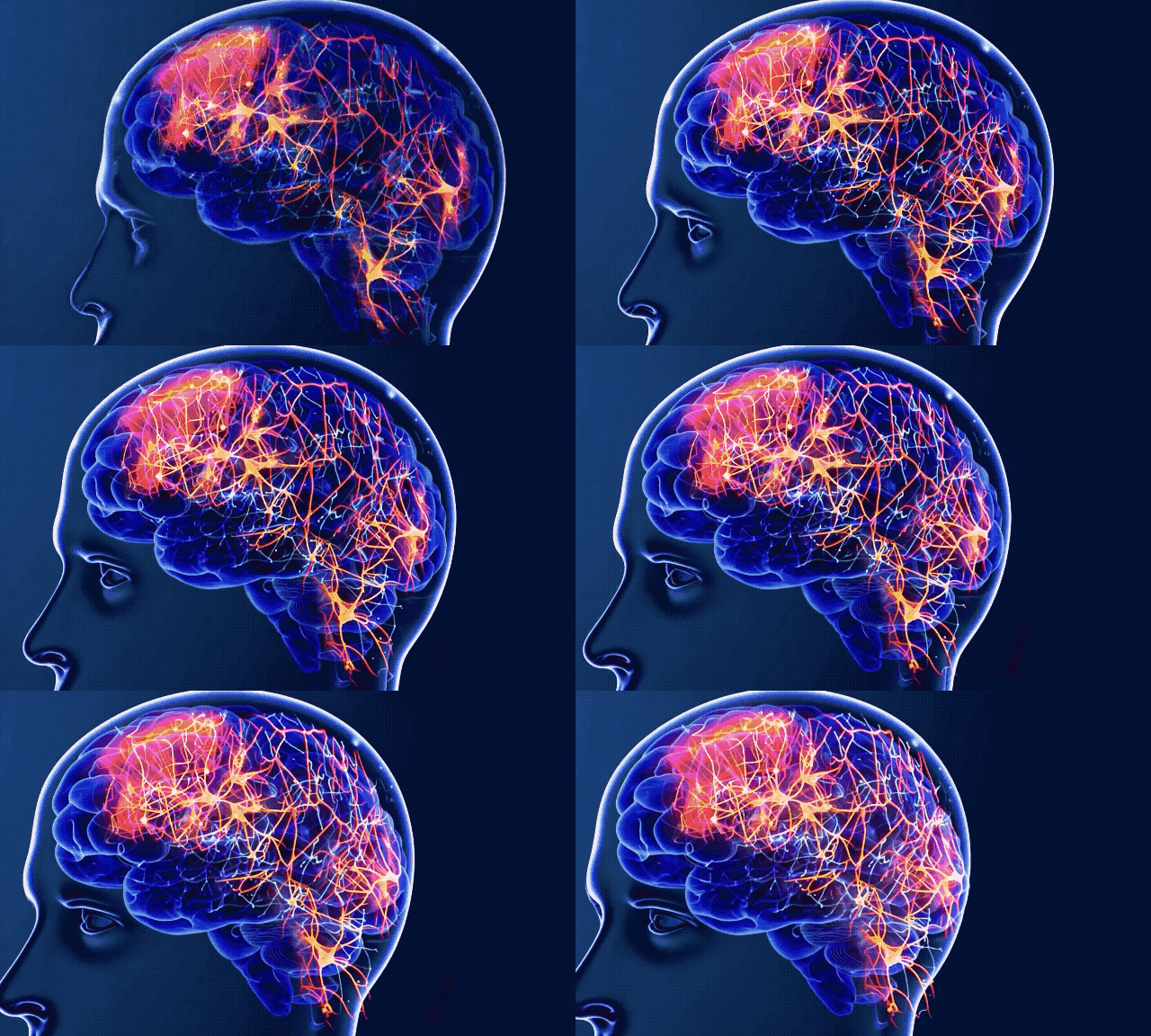
Here's what IS happening: Research from Stanford and Harvard shows that prolonged stress fundamentally changes your brain chemistry, particularly in the regions that regulate mood and emotional processing. When you're juggling gift lists, travel logistics, and family dynamics that would challenge a diplomat, your prefrontal cortex—the part of your brain responsible for decision-making and emotional regulation—gets overwhelmed.
This isn't about being "too sensitive" or "not strong enough." Your brain is responding exactly as it's designed to when facing chronic stress. The exhaustion after a difficult family dinner? The anxiety keeping you awake at 3 AM planning the perfect celebration? That's biology, not personal failure.
When Holiday Stress Reveals Something Deeper
Here's what traditional medicine won't tell you: The holidays don't create mental health challenges. They unmask them.
Those darker days, the social pressures, the forced reflection—they amplify what's already there. And instead of acknowledging this reality, our broken healthcare system tells you to "practice self-care" and sends you on your way.
Pay attention to these patterns:
- Persistent dread about upcoming events (not just mild anxiety—actual dread)
- Sleep disruption or significant appetite changes
- Withdrawing from activities you usually enjoy
- Intrusive thoughts that interfere with your daily life
- Physical symptoms: headaches, digestive issues, muscle tension that won't quit
These aren't signs you need to try harder. They're your brain telling you it needs real support.
What Actually Works (Evidence-Based, Not Instagram Advice)
Set Boundaries That Protect Your Brain
I know—setting limits during the "season of giving" feels impossible. But here's the truth: You cannot show up authentically for anyone if you're running on empty.
Your non-negotiables aren't selfish. They're essential brain maintenance.
Maybe that means one quiet morning per week without commitments. Maybe it means skipping certain family gatherings that consistently drain you. The people who matter will understand. The ones who don't? They're not your problem to solve.
Prioritize Sleep and Movement (Your Brain's Non-Negotiables)
Your brain's mood-regulating systems depend on consistent sleep and physical activity. Not "when you have time." Always.
Research from Oxford shows that even 20 minutes of daily movement significantly reduces anxiety and depression by increasing BDNF—brain-derived neurotrophic factor—a protein that literally supports neural health and emotional resilience. That's not feel-good advice. That's neuroplasticity in action.
Practice Radical Selectivity
You don't owe everyone your presence. You don't need to meet expectations that weren't designed with your wellbeing in mind.
Choose engagements that genuinely nourish you. Release the rest without guilt.
Build Micro-Moments of Neural Reset
Transformation doesn't always require dramatic change. Five minutes of deep breathing before a family gathering. A brief walk between errands. Stepping outside to feel cold air on your face.
These micro-moments allow your nervous system to recalibrate. They're not luxury—they're necessity.
When Stress Management Isn't Enough
Here's where I need to be direct with you: Sometimes holiday stress reveals underlying depression, anxiety, or trauma that's been quietly stealing your life.
If typical stress management strategies aren't providing relief—if you're still struggling despite doing "all the right things"—you don't need to try harder. You need different treatment.
Traditional therapy and medication have helped millions. They've also failed millions. Some people experience intolerable side effects from antidepressants. Others find talk therapy alone doesn't resolve their symptoms. Still others have tried everything without lasting relief.
The mental health system calls these people "treatment-resistant."
I call them underserved.
The Revolutionary Alternative
At KIND TMS, I've witnessed profound transformations in women who believed they'd exhausted their options. Women who were told to "just keep trying different medications" or "give therapy more time" while their lives slipped away.
Our KIND One-Day TMS Protocol offers something radically different: FDA-approved transcranial magnetic stimulation therapy that works directly with your brain's natural healing capacity.
Unlike traditional TMS requiring 6-8 weeks of daily sessions (who has time for that?), our revolutionary one-day approach delivers powerful results in a single intensive treatment. We use targeted magnetic pulses to stimulate specific brain regions involved in mood regulation, restoring healthy neural patterns without medication or invasive procedures.
The science comes from Stanford, Harvard, and Oxford. The results speak for themselves: remission rates over 90% for certain conditions.
Not "improvement." Remission.
Beyond Band-Aids: Building Real Wellness
Effective mental health care doesn't just treat acute symptoms. It transforms how you relate to your brain.
We help you understand your unique triggers, develop personalized strategies, and recognize early warning signs. This shifts you from reactive crisis management to empowered self-awareness.
That changes everything.
Your Next Move
The courage to acknowledge you're struggling? That's not weakness. That's wisdom.
Whether you're managing typical holiday stress or recognizing signs of something deeper, reaching out demonstrates strength. The right support can help you navigate not just this season, but every season ahead—with clarity, presence, and genuine joy.
We're here to help you discover what works for your unique situation. No pressure. No judgment. Just genuine partnership focused on your transformation.
Because you're not broken. Your brain just needs the right support to heal.
Ready to learn more about how the KIND One-Day TMS Protocol could change your life? Let's talk.
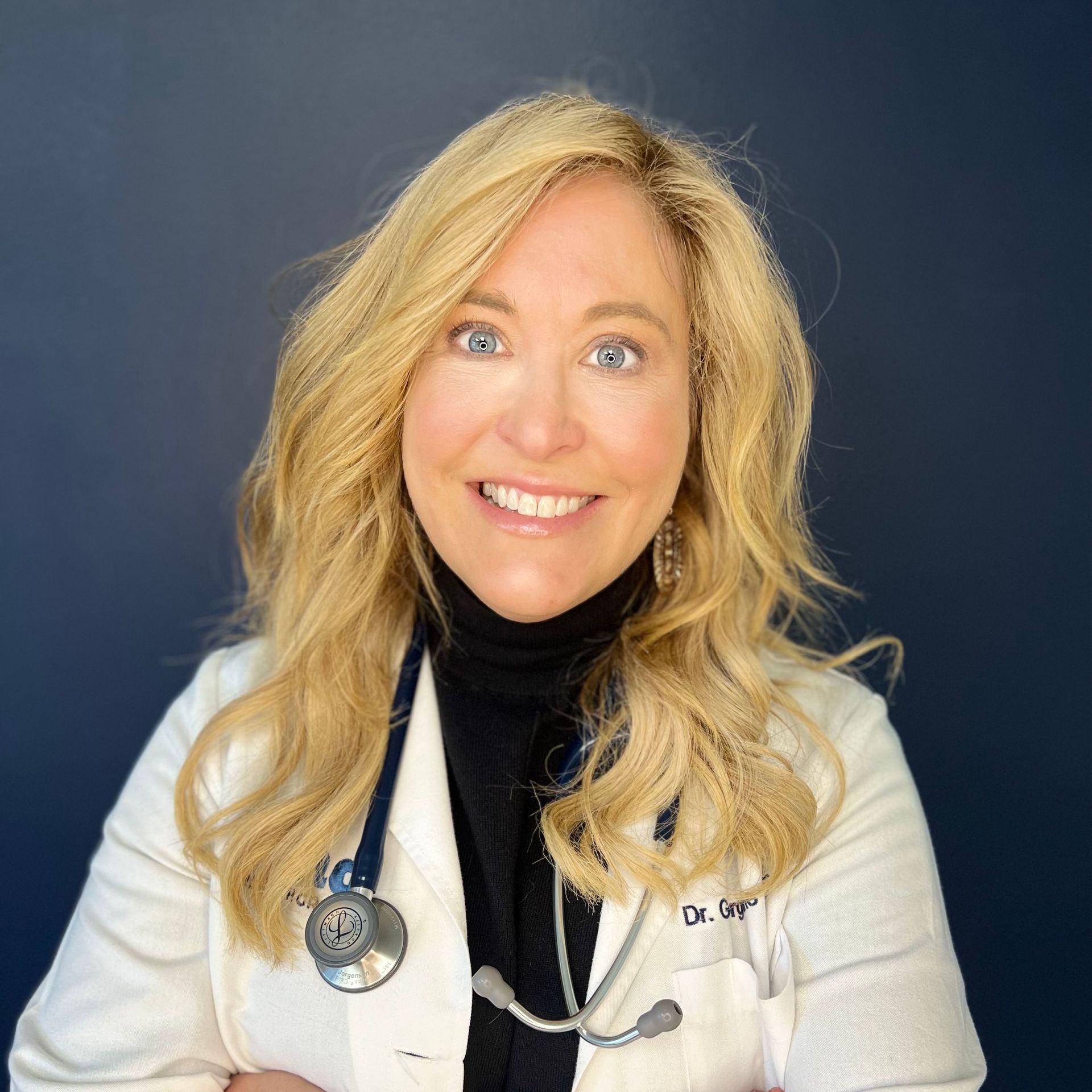
Meet the Author
Dr. Georgine Nanos, MD, MPH
Founder of Kind Health Group