Brain Based Solutions for Holiday Stress
Neuroplasticity: Your Brain's Built-In Upgrade System
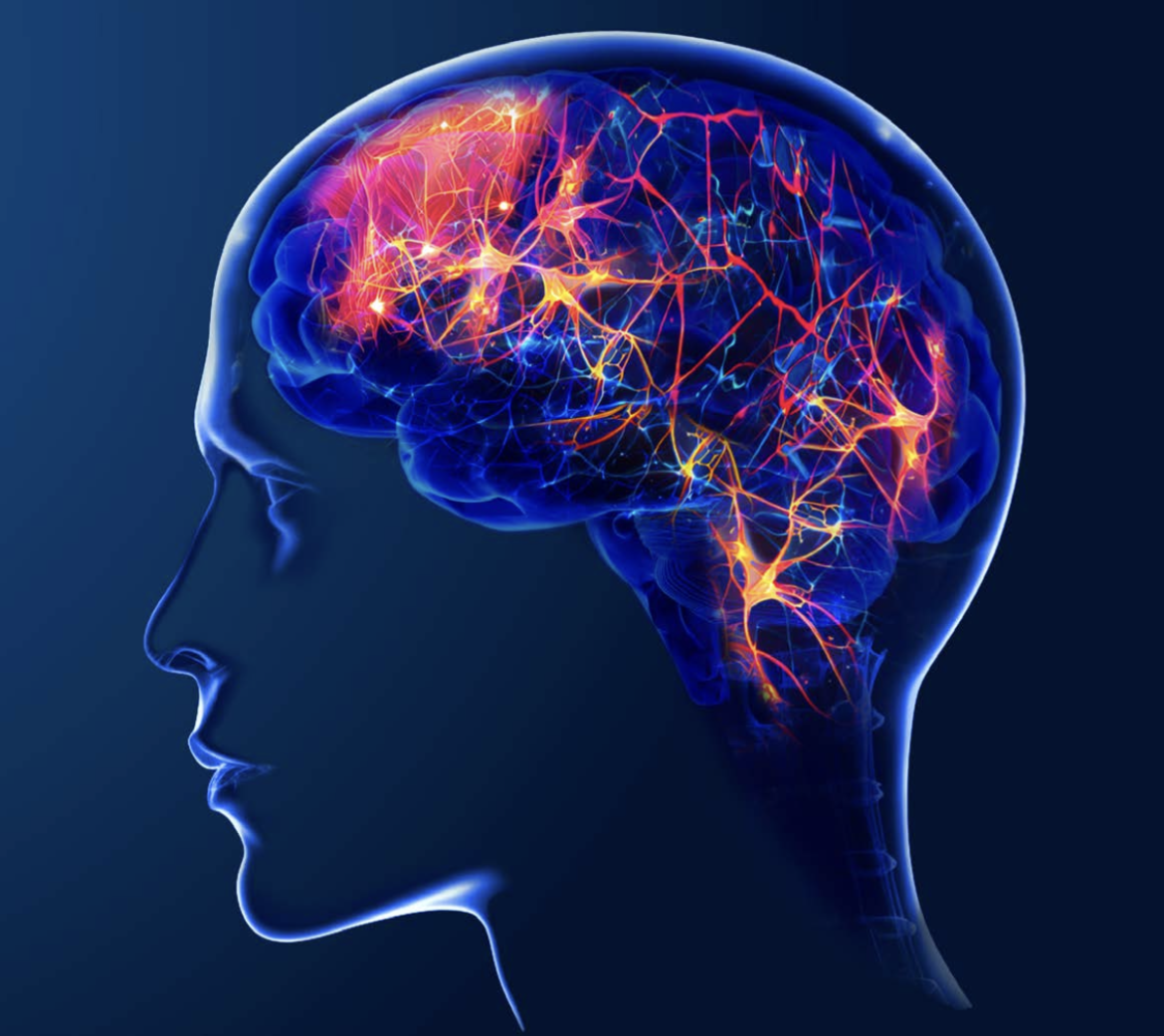
Let me tell you something that might change how you think about the holidays: That overwhelm you're feeling? The dread when you see another family text thread lighting up? The exhaustion after a single dinner party that leaves you depleted for days?
That's not weakness. That's neuroscience.
Your prefrontal cortex—the part of your brain responsible for decision-making, emotional regulation, and impulse control—is doing exactly what it's designed to do under chronic stress. It's prioritizing survival over thriving. And during the holidays, when you're managing impossible expectations, complex family dynamics, financial pressure, and zero downtime, your brain shifts into a mode that feels anything but festive.
The Neuroscience of Holiday Stress and Brain Health
Here's what's actually happening in your brain when holiday stress hits:
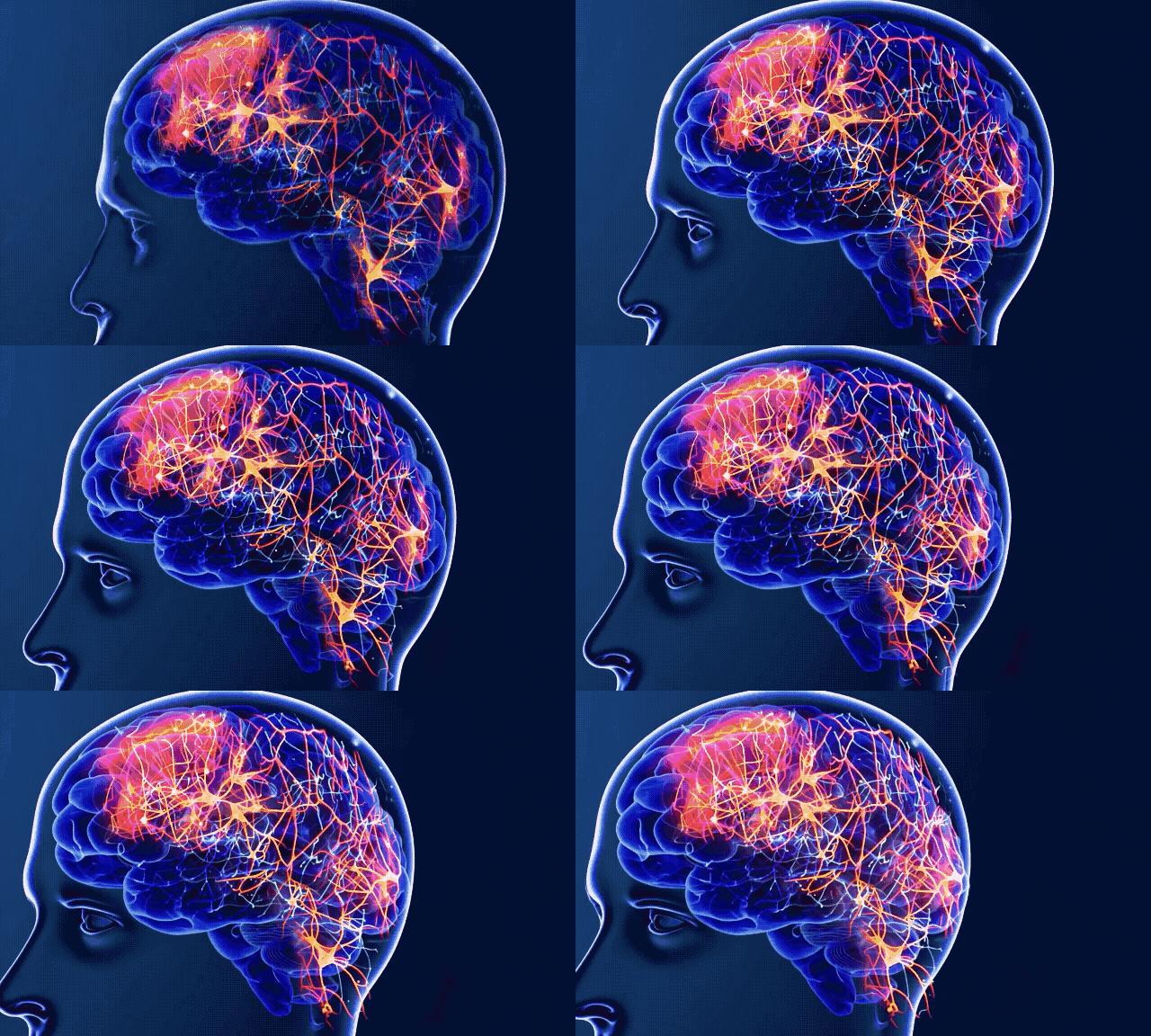
The dorsolateral prefrontal cortex (DLPFC)—your brain's CEO—is responsible for executive function. This region helps you plan, organize, regulate emotions, and make thoughtful decisions. It's why you can normally navigate challenging conversations, set boundaries, and manage competing priorities without falling apart.
But under sustained stress, something shifts. Research from Stanford and Harvard shows that elevated cortisol—your primary stress hormone—actively suppresses activity in the prefrontal cortex. Blood flow redirects to your amygdala (the fear center) and your brainstem (survival mode). Your thinking becomes reactive instead of responsive. Your capacity for patience, empathy, and strategic decision-making shrinks.
This is why you snap at your partner over something small. Why you can't remember if you bought a gift for your nephew. Why you feel foggy, scattered, and not quite like yourself.
Your Hippocampus Takes a Hit
The hippocampus—critical for memory formation and emotional regulation—is particularly vulnerable to chronic stress. Prolonged cortisol exposure can actually shrink this region, impacting your ability to recall details, process new information, and maintain emotional stability.
Ever walked into a room during the holidays and completely forgotten why you're there? That's not early dementia. That's your hippocampus under siege.
Your Neural Pathways Default to Old Patterns
Here's where it gets really interesting: When your brain is overwhelmed, it reverts to familiar patterns—even if those patterns don't serve you. That argument you have every Thanksgiving? That defensive reaction when your mother makes a comment about your weight? Those aren't character flaws. They're neural highways that your brain defaults to under stress because they're well-worn and require less cognitive energy than creating new responses.
This is basic neuroplasticity. Your brain will always choose the path of least resistance when resources are low. And during the holidays, your cognitive resources are depleted.
Why Traditional Stress Management Fails
You've probably been told to practice self-care. Take bubble baths. Do deep breathing exercises. Set boundaries. And yes, these things help—marginally. But they're behavioral interventions for a neurological problem.
It's like putting a bandage on a broken bone. You're treating the symptom, not the source.
The problem isn't that you need to relax more. The problem is that your brain's stress-regulation systems are dysregulated.
When your prefrontal cortex is underactive and your amygdala is hyperactive, no amount of lavender oil or mindfulness apps will fundamentally change your neural circuitry. You're working with a brain that's wired for threat detection, not joy.
This is where the conversation needs to shift from stress management to brain health optimization.
Brain-Based Solutions for Holiday Stress
Let's be clear: I'm not dismissing therapy, medication, or lifestyle interventions. For many people, these approaches provide essential support. But for those who've tried everything and still feel like they're white-knuckling their way through every holiday season, it's worth understanding that there are neurological interventions that work at the source.
Neuroplasticity: Your Brain's Built-In Upgrade System
Your brain isn't static. It's adaptive. Neuroplasticity—the brain's ability to reorganize itself by forming new neural connections—means you're not stuck with the stress patterns you currently have.
But here's the catch: Changing neural pathways requires more than intention. It requires consistent, targeted activation of the regions that have gone dormant under chronic stress.
This is where interventions like Transcranial Magnetic Stimulation (TMS) become relevant—not as a magic cure, but as a tool that directly stimulates underactive brain regions, particularly the DLPFC. TMS uses targeted magnetic pulses to restore healthy activity in areas responsible for mood regulation, executive function, and emotional resilience.
Research shows that TMS increases blood flow to the prefrontal cortex, promotes the release of brain-derived neurotrophic factor (BDNF)—a protein that supports neural growth—and helps reset dysregulated stress response systems. It's FDA-cleared, non-invasive, and works by enhancing your brain's natural capacity to heal and adapt.
I'm not saying you need TMS to survive the holidays. But understanding that your stress response is neurological—not psychological—opens the door to treating it as such.
Practical Brain Optimization Strategies
While neurological interventions like TMS can provide profound support, there are daily practices that protect your prefrontal cortex during high-stress periods:
Prioritize Sleep Above Everything
Your brain consolidates memories, clears metabolic waste, and restores cognitive function during sleep. When you're sleep-deprived, your prefrontal cortex goes offline first. This is non-negotiable brain maintenance, not a luxury.
Move Your Body Daily
Even 20 minutes of movement increases BDNF production, improves mood regulation, and enhances cognitive flexibility. Research from Oxford shows that regular physical activity literally strengthens the neural pathways involved in stress resilience.
Limit Decision Fatigue
Your prefrontal cortex has a finite amount of daily energy. Every decision—even small ones—depletes this reserve. During the holidays, automate what you can: meal plans, gift lists, daily routines. Save your cognitive bandwidth for what actually matters.
Practice Neural Resets
Five-minute breathing exercises, cold exposure (even just splashing cold water on your face), or brief walks between obligations allow your nervous system to recalibrate. These aren't just "nice to have"—they're essential for preventing your brain from getting stuck in fight-or-flight mode.
The Permission You've Been Waiting For
You don't need to do better. Your brain needs better support.
The exhaustion you feel isn't evidence of personal failure. It's evidence that your stress-regulation systems are overwhelmed and your brain's command center needs reinforcement.
Understanding the neuroscience of holiday stress doesn't just validate your experience—it gives you a roadmap for addressing it at the source. Whether that's through lifestyle modifications, therapeutic support, medication, or neurological interventions like TMS, the key is recognizing that this isn't about trying harder.
It's about treating your brain with the same seriousness you'd treat any other organ under strain.
What's Next
If you've been struggling through every holiday season thinking "I should be able to handle this," I want you to consider a different question: What if my brain just needs the right support?
Not more willpower. Not more self-discipline. Actual, evidence-based interventions that target the neural circuits responsible for stress resilience and emotional regulation.
Your brain is capable of remarkable healing and adaptation. Sometimes it just needs the right conditions—and the right tools—to do what it's designed to do.
Because you're not broken. Your brain chemistry just needs support.
Let's chat!

Meet the Author
Dr. Georgine Nanos, MD, MPH
Founder of Kind Health Group