Why do I feel like a zombie on antidepressants? Understanding brain fog
Why Do I Feel Like a Zombie on Antidepressants? Understanding Brain Fog and Your Options
You're not imagining it. That zombie-like feeling on SSRIs isn't in your head — it's a real neurological effect that signals your brain needs a different approach.
After cycling through 6, 7, even 8+ antidepressants, many high-achieving women in North County San Diego ask me this exact question. They describe feeling 'mentally fried,' gaining weight they can't lose, losing their creative edge, or feeling emotionally numb while still battling the depression underneath.
Here's what's really happening — and why there's hope.
What Causes the 'Zombie Effect' on Antidepressants?
SSRIs and SNRIs work by flooding your brain with serotonin or norepinephrine. But when these neurotransmitters are artificially elevated system-wide, they can:
- Blunt emotional processing in areas you need sharp
- Interfere with dopamine pathways that drive motivation and focus
- Disrupt natural brain rhythms that regulate energy and cognition
- Create dependency that makes stopping nearly impossible
The medications aren't fixing the underlying neural circuits — they're masking symptoms while creating new problems.
Why Traditional Depression Treatment Often Falls Short
Most people try medication first because it's what doctors know. But here's what the research shows:
- First antidepressant success rate: Only 30%
- By the fourth medication: Success drops to under 7%
- 25% of initial responders lose effectiveness over time (called antidepressant tachyphylaxis)
You didn't fail the medications. The medications failed you.
How TMS Works Differently Than Medication
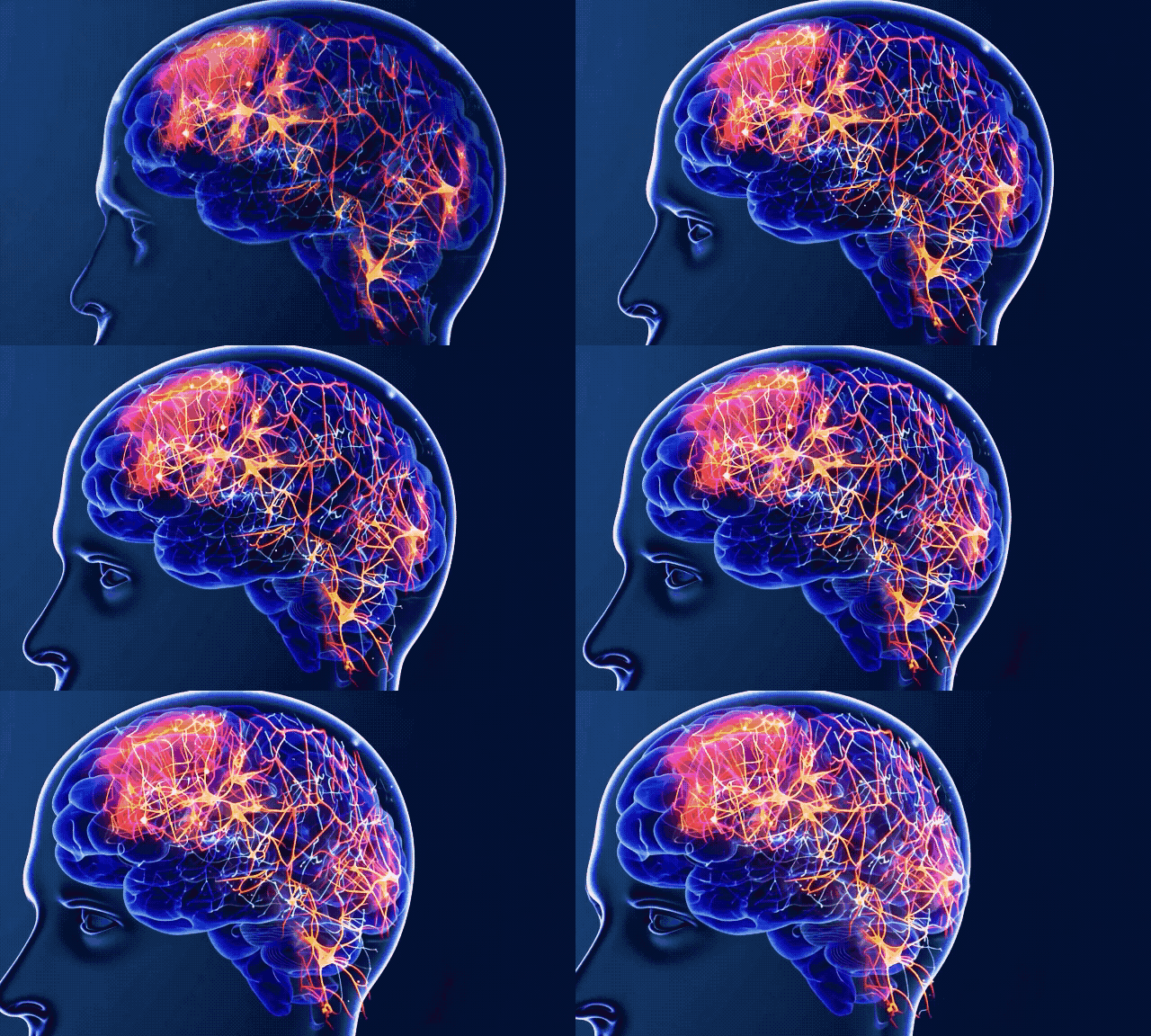
While antidepressants flood your entire system, Transcranial Magnetic Stimulation (TMS) targets specific underactive brain circuits involved in depression:
- Precise targeting: Magnetic pulses activate only the dorsolateral prefrontal cortex areas that need stimulation
- Natural neuroplasticity: Helps your brain build new, healthier neural pathways
- No systemic side effects: Works locally in the brain without affecting your whole body
- Addresses root causes: Reactivates the specific circuits that medication couldn't reach
TMS Success Rates for Treatment-Resistant Depression
For people who've tried multiple antidepressants:
- 50-70% show significant response (50% or greater symptom reduction)
- 30-40% achieve full remission (complete or near-complete recovery)
- Effects typically last 12+ months without ongoing treatment
The KIND One-Day TMS Protocol: Beyond Standard Treatment
While most TMS requires 30-36 sessions over 6-8 weeks, our KIND One-Day TMS Protocol condenses this into a single intensive day using advanced ExoMind technology.
This isn't just 'accelerated TMS' — it's a fundamentally different approach that:
- Uses precision brain mapping for personalized treatment
- Delivers therapeutic benefit in one day, not weeks
- Includes a full year of physician-led brain care
- Eliminates the scheduling burden that keeps busy professionals from getting help
Who Benefits Most from TMS?
TMS works especially well for people who:
- Feel mentally 'blunted' or cognitively impaired on medications
- Experience brain fog, memory issues, or lost creativity
- Have tried 3+ antidepressants without lasting relief
- Cannot tolerate medication side effects
- Need their brain to function at peak performance for work and family
What to Expect: Beyond the Depression
Patients often report improvements in:
- Cognitive clarity: 'My brain works like it used to'
- Emotional range: Feeling joy, creativity, and motivation return
- Energy levels: Natural energy without artificial stimulation
- Sleep quality: More restorative rest
- Decision-making: Confidence in choices returns
Frequently Asked Questions
Q: Can I stop my antidepressants before TMS?
A: We work with you and your prescribing physician to create a safe plan. Many patients successfully taper off medications after TMS, but timing is individualized.
Q: What if TMS doesn't work for me?
A: With our KIND Protocol, you have a full year of physician support to optimize your brain health. We don't just provide treatment — we provide stewardship.
Q: Is one day really enough?
A: Our protocol is based on advanced neuroplasticity research. The concentrated, personalized approach often achieves what traditional TMS does in weeks.
Q: Will insurance cover this?
A: While insurance typically covers standard TMS after medication failures, our KIND Protocol is an investment in getting your life back faster. We provide detailed documentation for possible reimbursement.
Your Next Step
If you're tired of feeling like a zombie on antidepressants, tired of cycling through medications that don't work, tired of losing pieces of yourself to depression — it's time for a different approach.
You're not broken. You've just been undertreated.
The KIND One-Day TMS Protocol might be the breakthrough you've been searching for. Because your brain — and your life — deserve better than just surviving.
Ready to explore whether TMS is right for you? Schedule a consultation with Dr. Georgine Nanos to discuss your unique situation and treatment options.
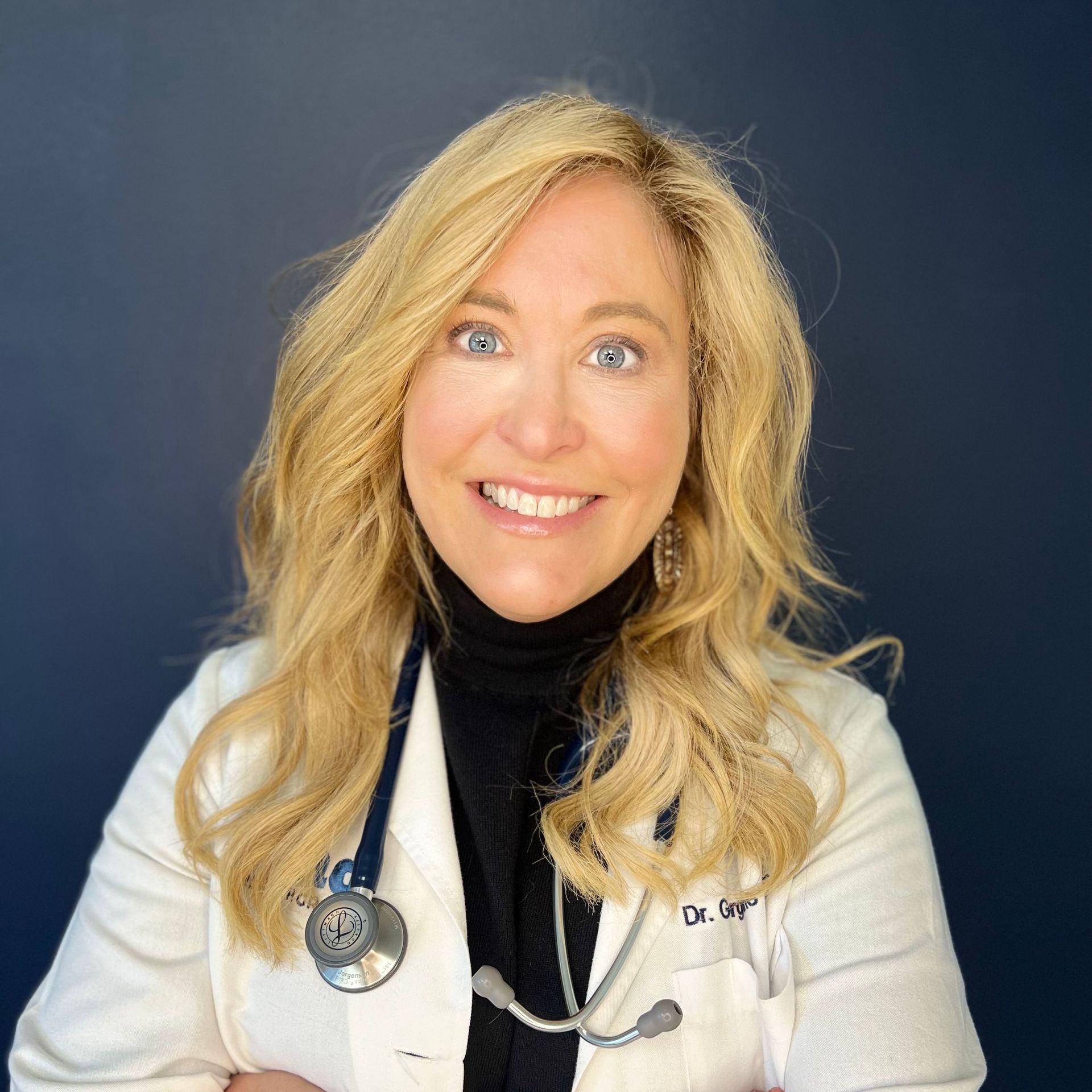
Meet the Author
Dr. Georgine Nanos, MD, MPH
Founder of Kind Health Group